Would You Rather Be Real or AI-Perfect? This Valentine's Day Made Me Choose
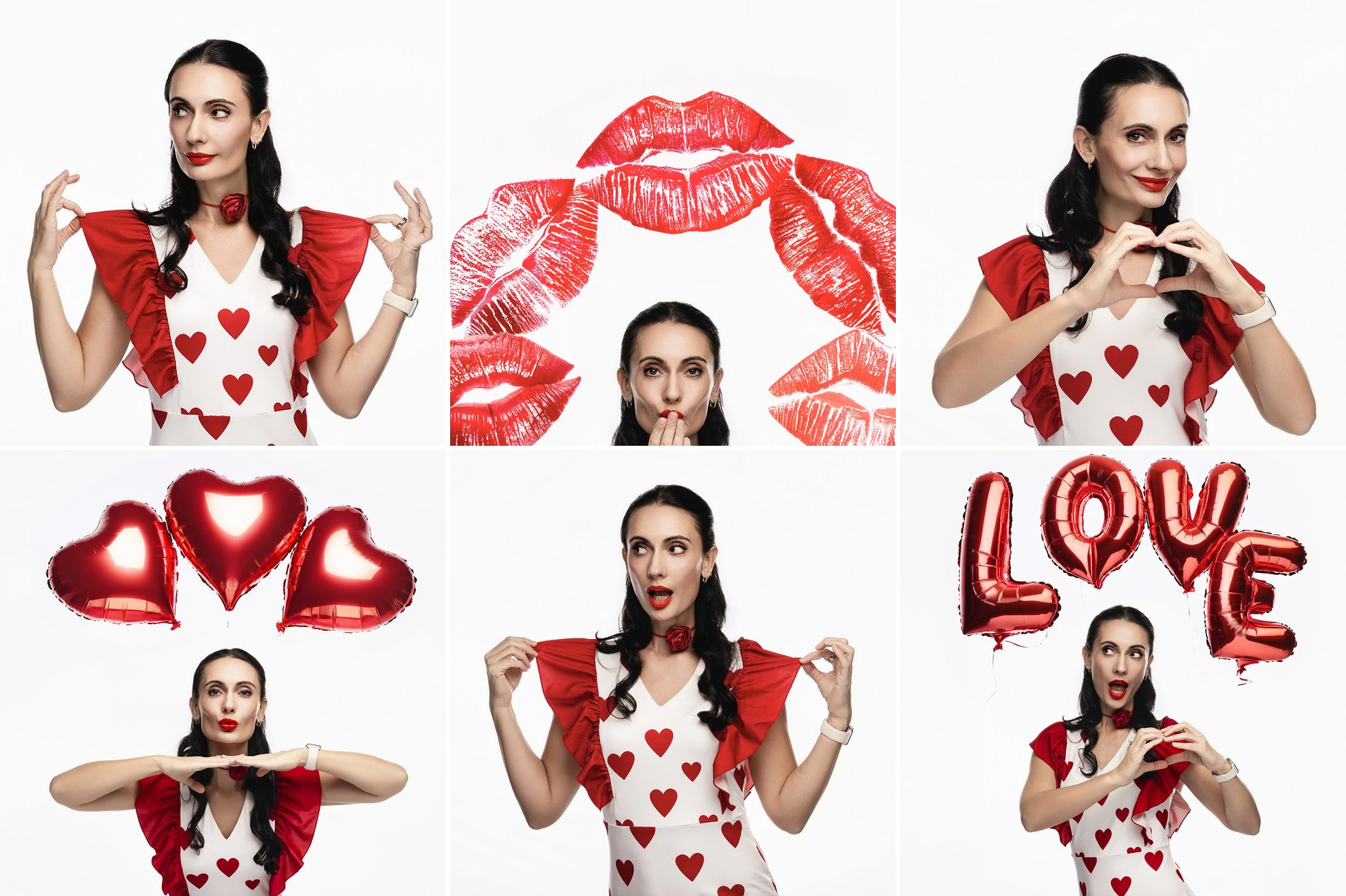
Let’s talk about something controversial: AI-generated portraits. But not in the way you think.
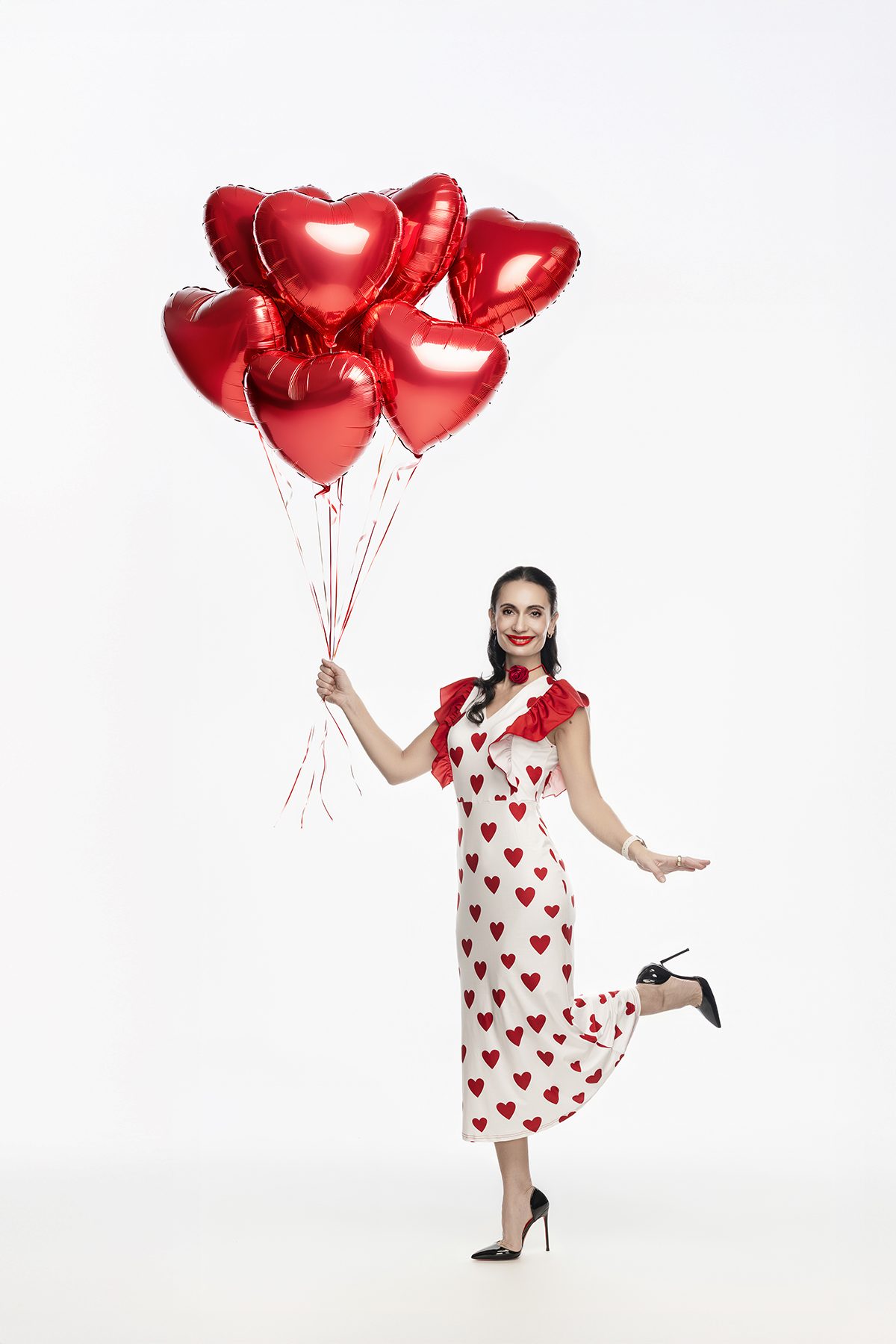
I spent $16 on a Valentine’s Day dress from a Chinese online store. Full disclosure? It’s absolutely not my style, and I look ridiculous in it. I would never wear this anywhere except in my studio. But here’s the thing — sometimes the best creative experiments come from stepping outside your comfort zone, embracing the absurd, and having a little fun.
The Setup
For this Valentine’s Day content creation session, I had three ingredients:
- A hilariously cheap heart-printed dress that cost less than a fancy coffee date
- My new Angler illuminated background — a game-changer for achieving that perfectly even, pure white backdrop without the headache of hot lights and endless adjustments
- A healthy dose of self-awareness and humor
The Angler background deserves its own moment here. As photographers, we’ve all fought the battle of achieving clean, even white backgrounds. Hot lights, multiple exposures, Photoshop gymnastics — it’s exhausting. This illuminated panel gives you that crisp, flawless white background with beautifully even lighting right out of camera. For this shoot, I used it as both a background light and backdrop, and the results were technically perfect.
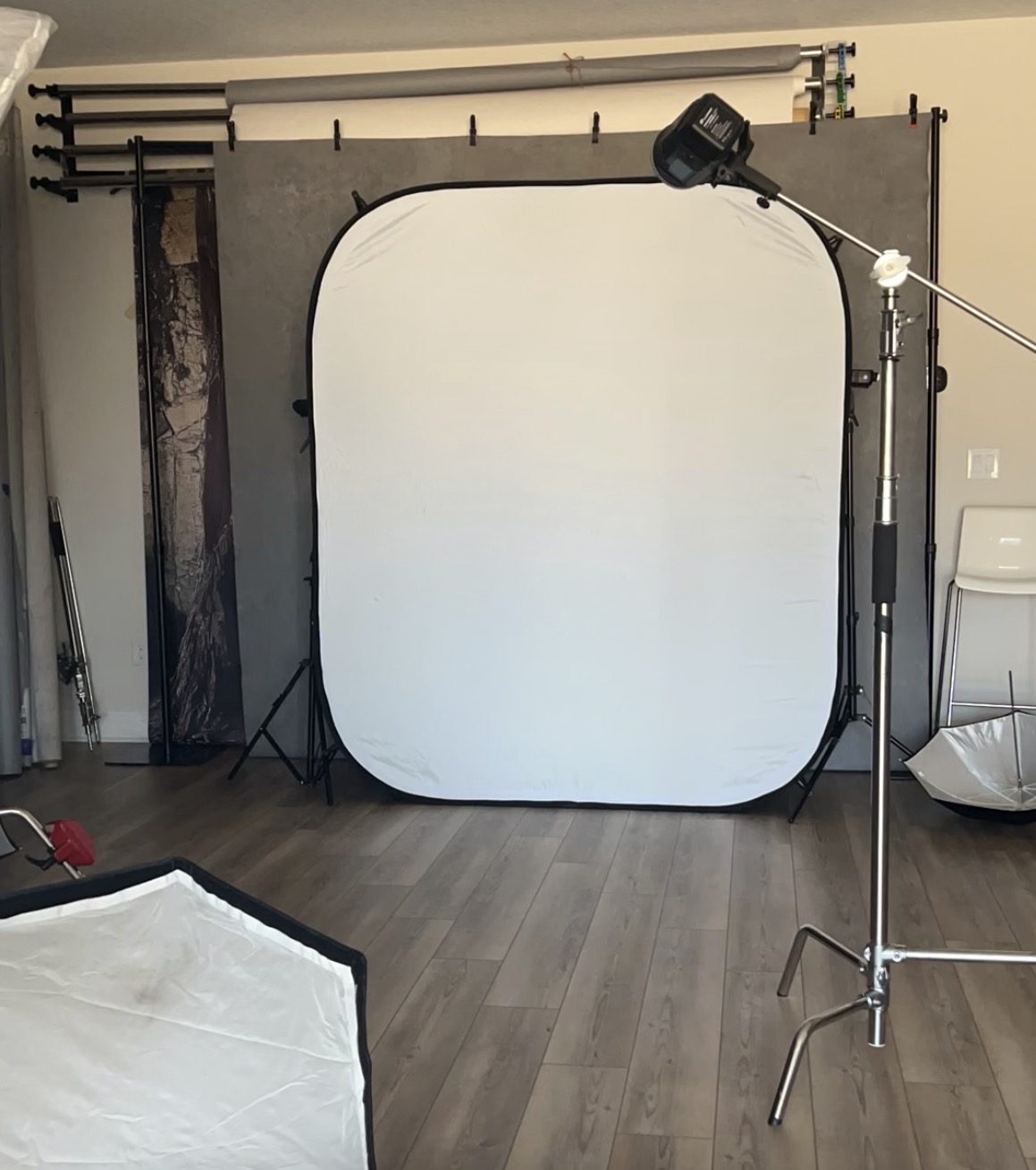 The Angler illuminated background — even, clean white without the usual headaches.
The Problem
So I had a set of technically perfect Valentine’s portraits. Clean lighting. Sharp focus. Proper exposure. But they were… boring. Sterile. Lifeless. They looked exactly like what they were: a photographer in a silly dress standing in front of a white background.
Years ago, I would have hauled in dozens of real heart balloons, spent hours arranging them, dealt with strings tangling and balloons deflating mid-shoot, and invested significant time and money into creating a festive Valentine’s atmosphere. I’ve done those shoots. They’re beautiful, but they’re also exhausting and expensive.
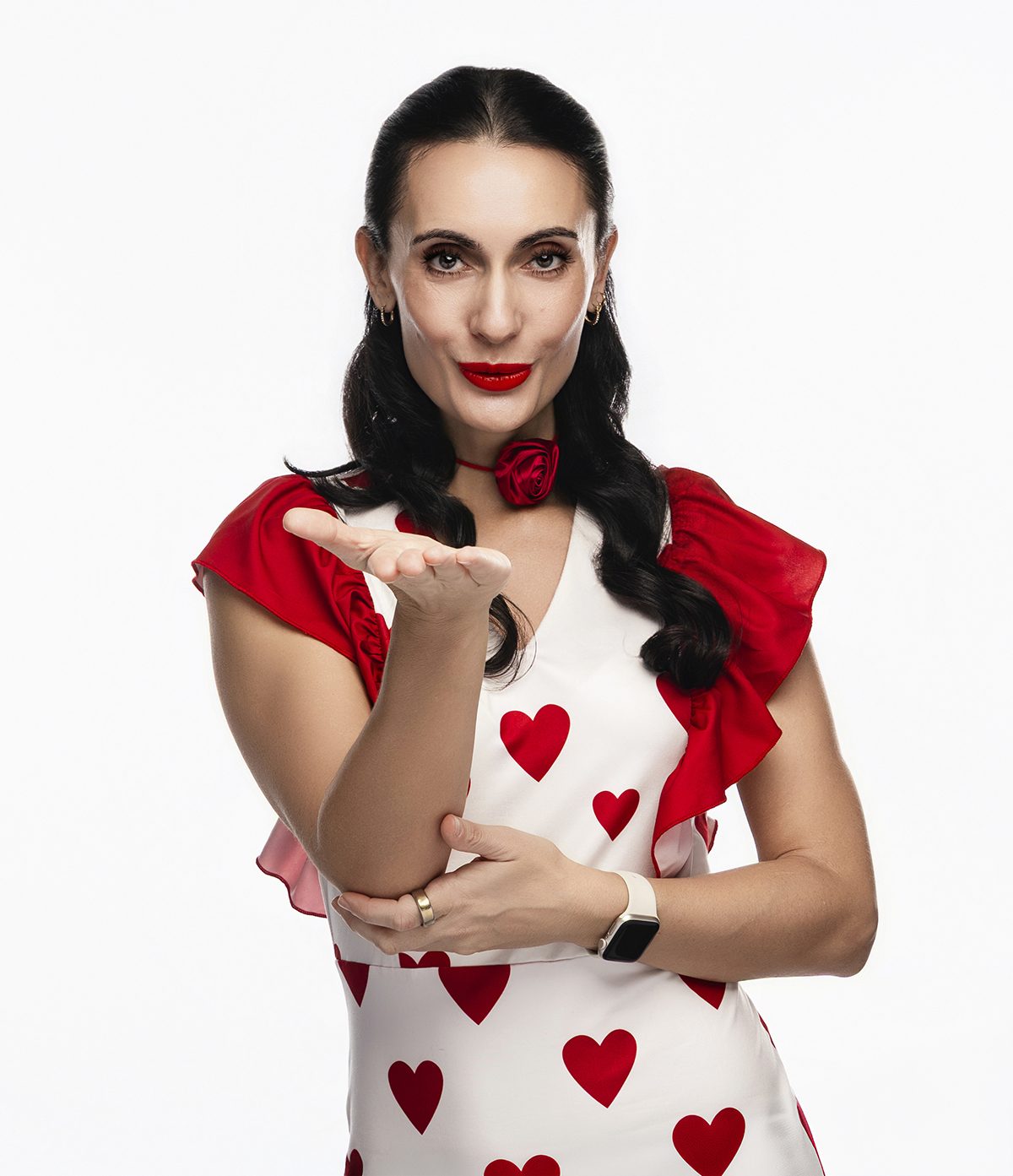
Enter AI
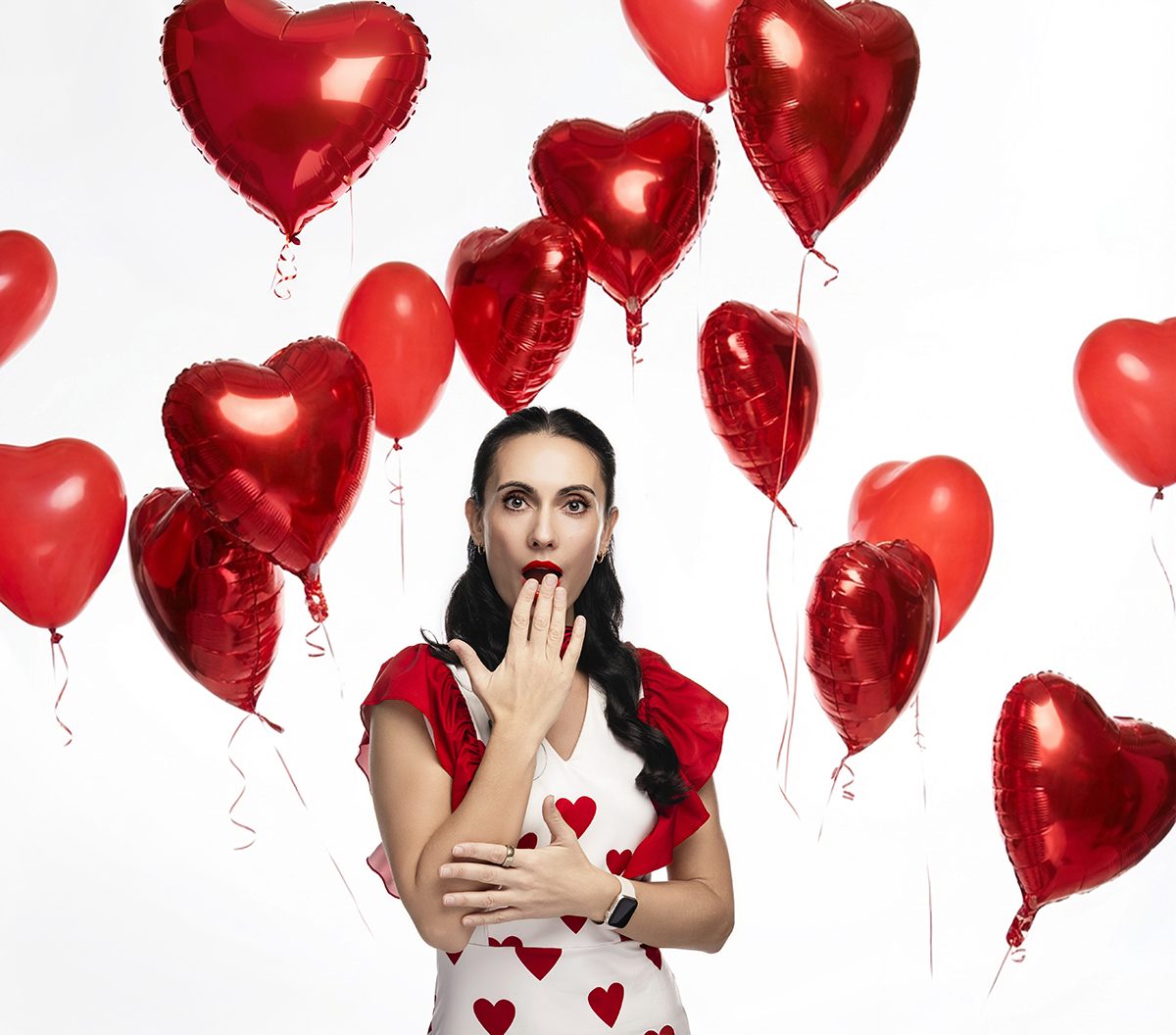
This is where artificial intelligence became my creative assistant — not my replacement. In about 10 minutes, I used AI tools to add playful heart balloons, floating kisses, and romantic elements to my backgrounds. The portraits transformed from “technically correct but uninspiring” to “fun, festive, and share-worthy.”
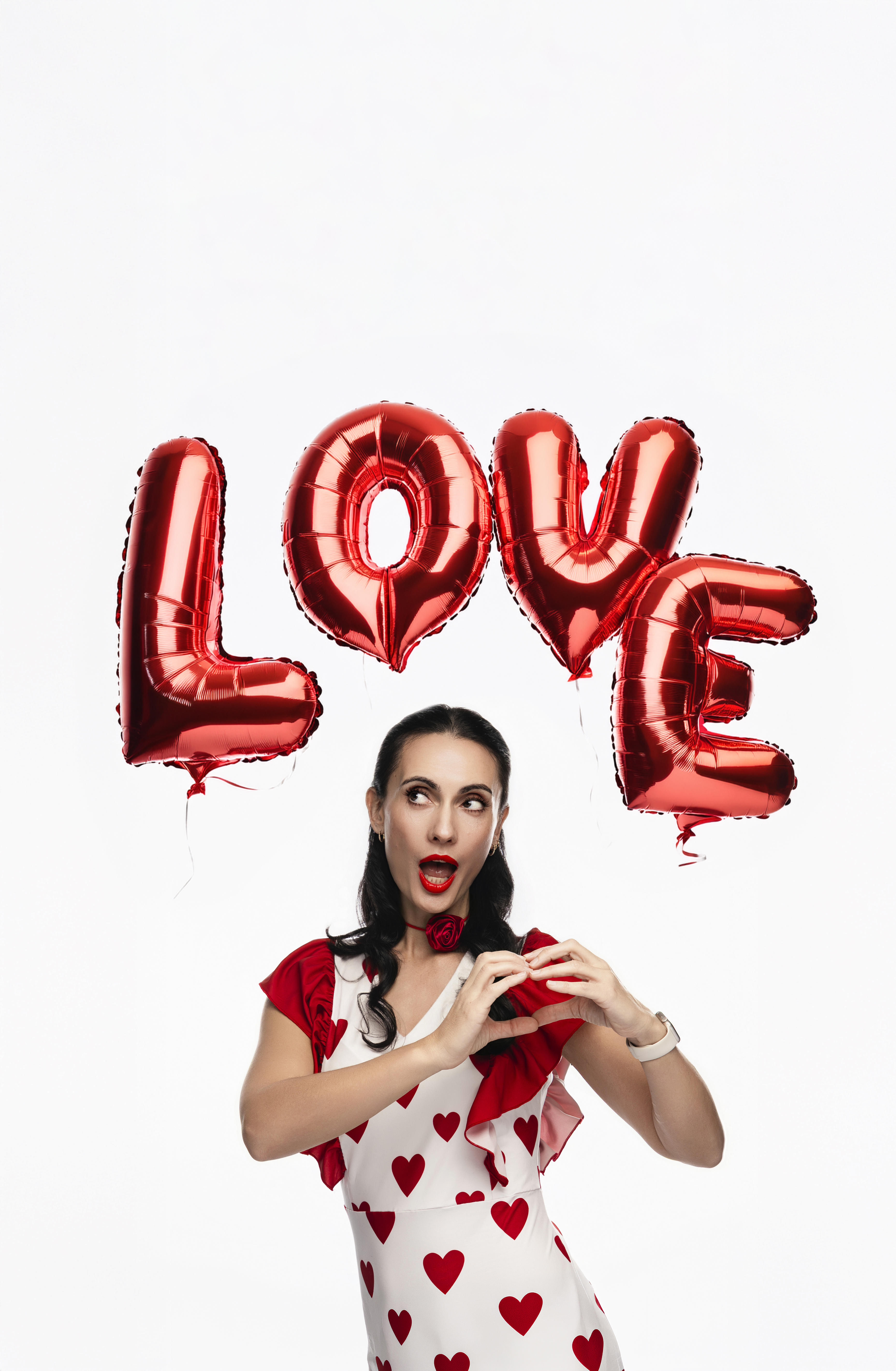
The key difference? I’m still me in these photos. The AI didn’t generate a fake version of me. It didn’t smooth away my imperfections or create an idealized digital avatar. It enhanced the scene around my authentic portrait, acting as a set designer rather than a replacement photographer.
The Controversial Part (Let’s Talk About It)
Now here’s where I want to get a little spicy and hear your thoughts: AI-generated portraits of people.
You know the ones I’m talking about. You upload your selfies, and an AI generates an entire photoshoot of “you” — in evening gowns you don’t own, on beaches you’ve never visited, with perfect skin and features that are… almost you, but not quite.
Are there valid use cases? Absolutely. Want to see yourself as a medieval knight for a D&D character? Fun! Want to place yourself on Mars for a laugh? Go for it! Need placeholder headshots for a concept mockup? Sure!
But here’s my honest observation: 90% of the time, I can tell it’s fake. And more importantly, I want to ask you — when you look at an AI-generated portrait of “yourself,” how do you feel? When friends compliment how beautiful you look in that AI photo, does it feel like they’re complimenting you… or a digital interpretation of you?
The Authenticity Argument
Some people might disagree with me, and I welcome that discussion. But this is my strong belief:
In an increasingly digital world, genuine portraits will become more valuable, not less.
Your real emotions. Your unique imperfections — the laugh lines, the slightly crooked smile, the way your eyes crinkle when you’re genuinely happy. The you that exists in three dimensions, with texture and depth and authenticity. This is what will be valued and cherished.
Real feelings and real connections will always matter more than algorithmically perfect facsimiles.
But — and this is important — AI is an incredible creative tool when used thoughtfully:
- Save time on tedious tasks (like balloon wrangling)
- Automate repetitive workflows
- Help you visualize concepts and experiment with ideas
- Enhance and extend your creative vision
- Make professional-quality results accessible
AI should amplify your creativity, not replace your authenticity.
My Valentine’s Day Message
This Valentine’s Day, whether you’re photographing yourself, your loved ones, or your clients — be real. Be you.
Embrace the imperfections. Celebrate the genuine moments. Use AI as a tool to bring your creative visions to life, but don’t let it replace the truth of who you are.
Because at the end of the day, when you look back at photos from this Valentine’s Day — or any day — what you’ll cherish isn’t the perfect AI-generated version of an idealized you. It’s the real you, in that ridiculous $16 dress, laughing at yourself, creating something fun, and being authentically present.
Happy Valentine’s Day. Stay real. Stay you.
What do you think? I’d love to hear your perspective on AI in photography. Do you use AI tools in your creative work? Where do you draw the line between enhancement and replacement?
Ready to create portraits that are authentically, beautifully you? Let’s start your portrait journey — no AI replacement required.